Motors, Controls, and Troubleshooting
Learn how electric motors work, how to protect and control them, and how to diagnose what went wrong when they don't — the skills that separate a technician who can troubleshoot from one who can only replace parts.
About this course
Details
Skills you'll learn
Motor Selection and Nameplate Reading
Interpret motor nameplate data to select the right motor and enclosure type for a given application and environment.
NEC Article 430 Compliance
Size motor branch-circuit conductors, overcurrent protection, and overload devices in accordance with NEC Article 430 requirements.
Control Circuit Interpretation
Read and trace ladder diagrams, including seal-in circuits and safety interlocks, to understand how a control circuit is supposed to behave before touching any hardware.
VFD and Starter Application
Identify when to use across-the-line starting, reduced-voltage starting, or a variable frequency drive based on load requirements and system constraints.
Systematic Motor Troubleshooting
Apply a structured diagnostic method using a multimeter and symptom-based reasoning to trace motor and control circuit faults to their root cause.
Syllabus
4 units • 16 lessons • 4 assessments
Learning activities
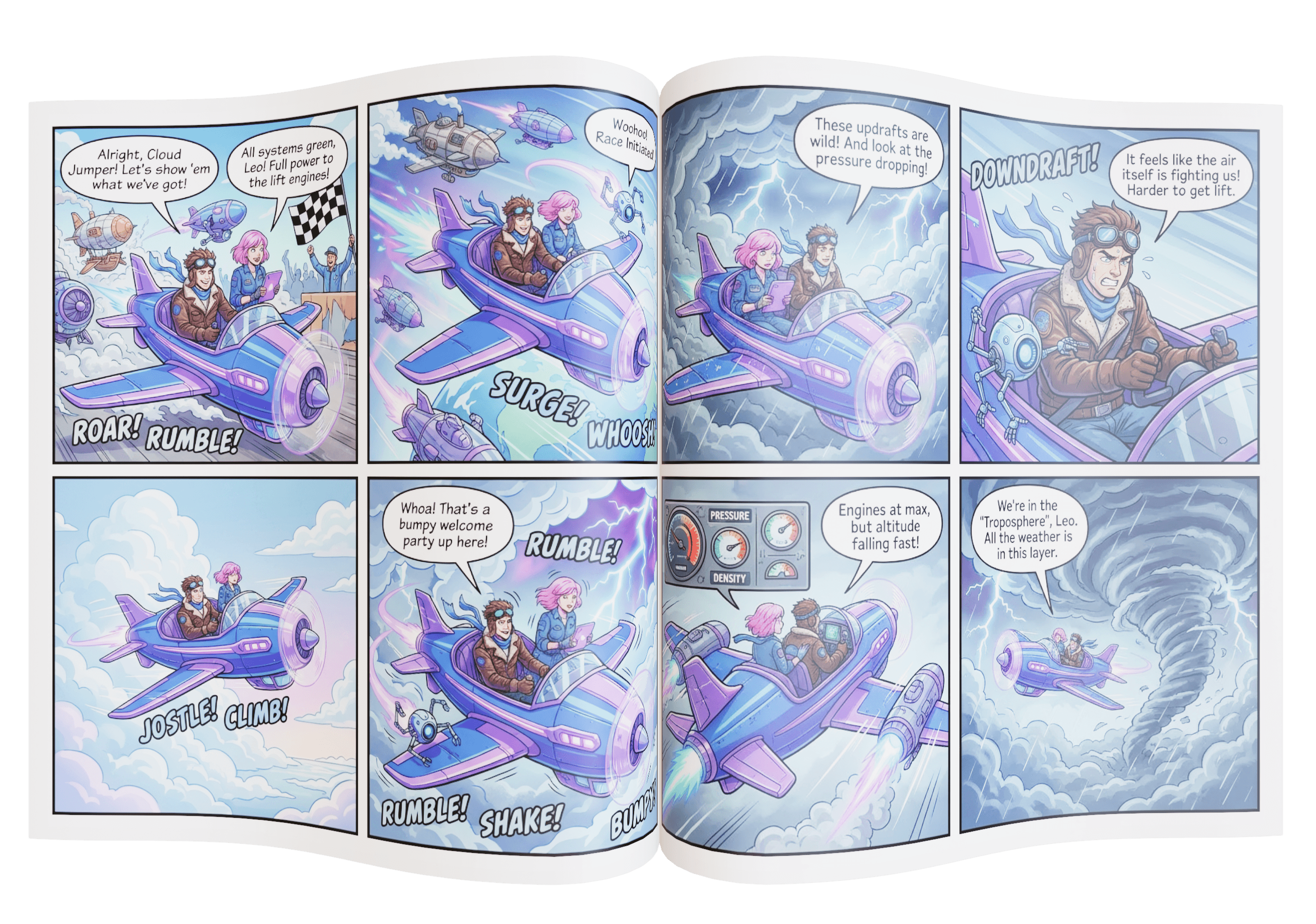
Every lesson gives you several ways to learn.

Frequently asked questions

Similar courses

AI For All
A clear, honest, and encouraging tour through how AI actually works — and by the end, you'll have used it to build real things yourself, including your very own live app.

AI for Creators (Without Losing Your Voice)
Learn how to use AI tools to do more creative work, faster, without sounding like every other creator who's using the same tools.

Build Your First App with AI
Learn to build and ship a real app using AI tools, no coding experience required, and walk away with something live that solves an actual problem.

How to Talk to AI (And Actually Get What You Want)
Most people type questions into AI and hope for the best. This course teaches you how to actually communicate with it — so you spend less time reprompting and more time getting work done.