Money Stuff Nobody Taught You
The financial education you were supposed to get but didn't: how bank accounts, credit scores, taxes, loans, and investing actually work, explained plainly so you can make real decisions with real money.
About this course
Details
Skills you'll learn
Credit Management
Use a credit card as a tool that builds your financial reputation instead of one that quietly racks up debt you can't see coming.
Budgeting
Build a system that tracks where your money actually goes and tells you what you can spend before you spend it, not after.
Tax Filing
File your own taxes, understand what you owe and why, and know how side income changes the picture.
Debt Literacy
Read any loan, student or car or mortgage, and calculate what it truly costs you over time, not just the monthly payment.
Investing Basics
Open an investment account, choose a strategy that actually works for most people, and understand how time does most of the heavy lifting.
Syllabus
9 units • 26 lessons • 9 assessments
Learning activities
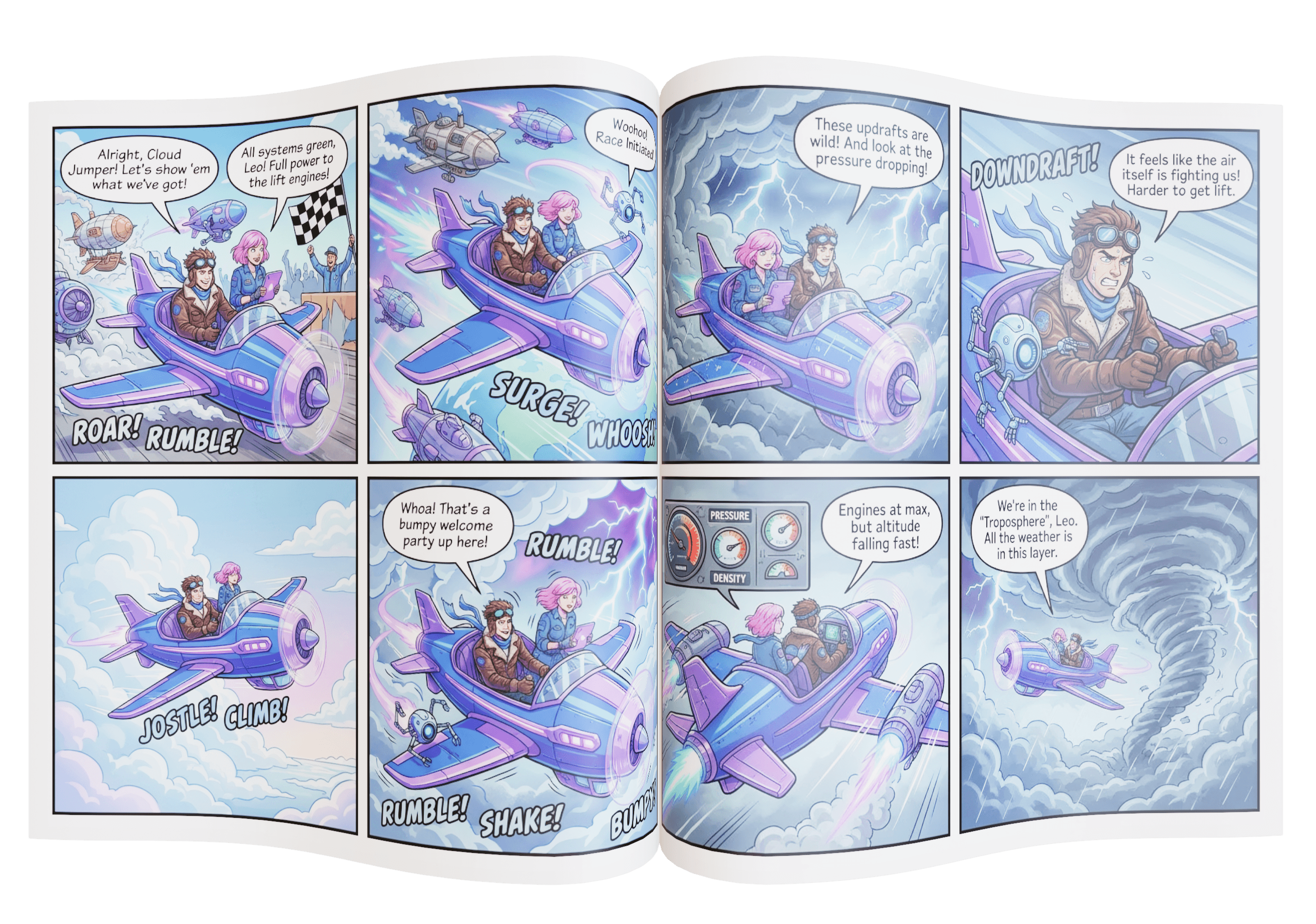
Every lesson gives you several ways to learn.


Frequently asked questions

Similar courses

Advanced Derivatives and Trading Strategies
Go beyond pricing formulas and learn how derivatives are actually used: to hedge real exposures, express precise market views, and manage risk at the portfolio level across options, futures, swaps, and exotic structures.

How to Get a Raise
Most people who deserve a raise don't get one, not because they aren't good enough, but because they don't know how to ask. This course gives you the evidence, the timing, and the exact words to change that.

Understanding Your Credit Score
Your credit score affects your rent, your mortgage rate, your car payment, and sometimes your job prospects — this course shows you exactly how it works and what to do about it.

How to Start Investing (With Whatever You Have)
Learn how to start investing with whatever money you have right now — no financial background required, no minimum balance, no excuses left standing in the way.