Brian Kelly's ATEC Digital Transformation: Data Mesh, Continuous Evaluation, and Modernization
A ground-level look at how ATEC is rebuilding its data infrastructure, from 75 isolated networks to a unified cloud mesh, and replacing one-time test events with continuous evaluation campaigns.
About this course
Details
Skills you'll gain with this course
Data Mesh Architecture
Explain how ATEC's cloud-based data mesh is structured, which enterprise services it includes, and why central funding of shared infrastructure matters for large distributed organizations.
Organizational Design Analysis
Map the ATEC reorganization from PEOs to PAEs, trace the AEC/OTC merger into OEC, and explain the reasoning behind standing up the Digital Modernization Directorate separately.
Common Reference Model Design
Describe how REST APIs can wrap authoritative data sources, why applications should persist UUIDs rather than strings, and how live and cached API calls work together.
Continuous Evaluation vs. Legacy T&E
Contrast the old discrete DT/OT event model with continuous evaluation campaigns, and identify the all-source data streams and organizational structures that make continuous evaluation possible.
Enterprise Search and Metadata Tagging
Explain how Hermes tags incoming data with metadata fields, how Elastic indexes those tags to create searchable enterprise data, and what that means for test data discoverability across ATEC.
Syllabus
3 Units • 7 Lessons • 2 Assessments
Ways To Learn Included
Every lesson enables you to learn in a variety of ways.
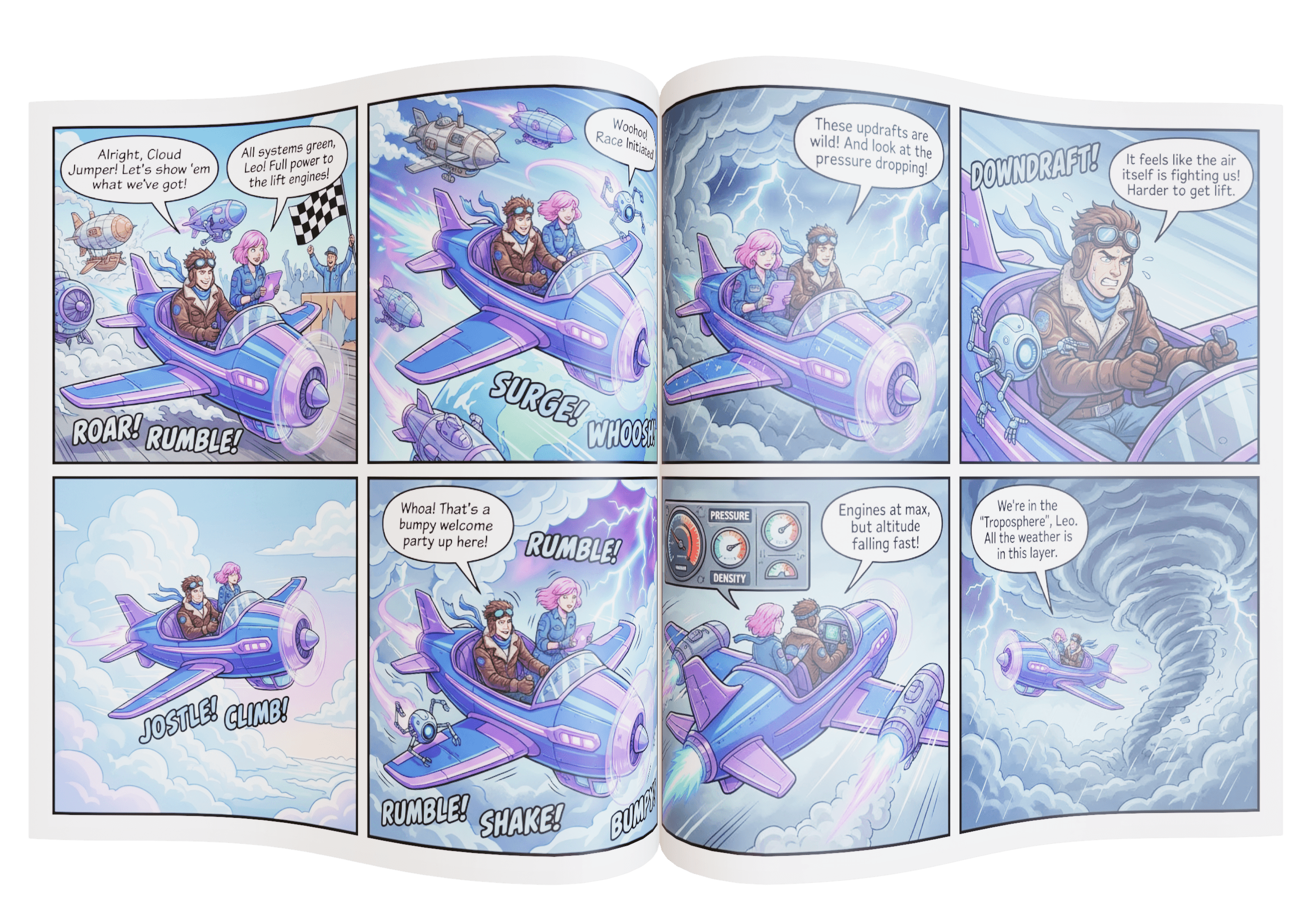
These gases, such as carbon dioxide and methane, play a crucial role in regulating Earth's temperature. But what exactly are they, and how do they work? Let's find out.
FAQ

Similar Courses

AI For All
A clear, honest, and encouraging tour through how AI actually works — and by the end, you'll have used it to build real things yourself, including your very own live app.

AI for Creators (Without Losing Your Voice)
Learn how to use AI tools to do more creative work, faster, without sounding like every other creator who's using the same tools.

Build Your First App with AI
Learn to build and ship a real app using AI tools, no coding experience required, and walk away with something live that solves an actual problem.

How to Talk to AI (And Actually Get What You Want)
Most people type questions into AI and hope for the best. This course teaches you how to actually communicate with it — so you spend less time reprompting and more time getting work done.