Introduction to Electrical Systems
Learn how electrical systems actually work — from the physics of voltage and current to reading job-site drawings — and build the foundational knowledge every electrician needs before touching live equipment.
About this course
Details
Skills you'll gain with this course
Circuit Analysis
Apply Ohm's Law and the power equation to calculate voltage, current, resistance, and power in both series and parallel circuits.
Electrical System Navigation
Trace the path of power from a utility transformer through a service entrance, distribution panel, and branch circuits to identify what each component does and how failures occur.
Electrical Safety Procedures
Explain how electrical injuries happen and correctly apply lockout/tagout procedures, personal protective equipment selection, and arc flash precautions to real work situations.
Reading Electrical Drawings
Interpret electrical symbols, single-line diagrams, wiring diagrams, and panel schedules to understand what a system contains, how it connects, and where everything goes.
Grounding and Bonding
Distinguish between grounding and bonding, explain the purpose of each, and identify how they work together to protect both people and equipment.
Syllabus
4 Units • 12 Lessons • 1 Project • 4 Assessments
Ways To Learn Included
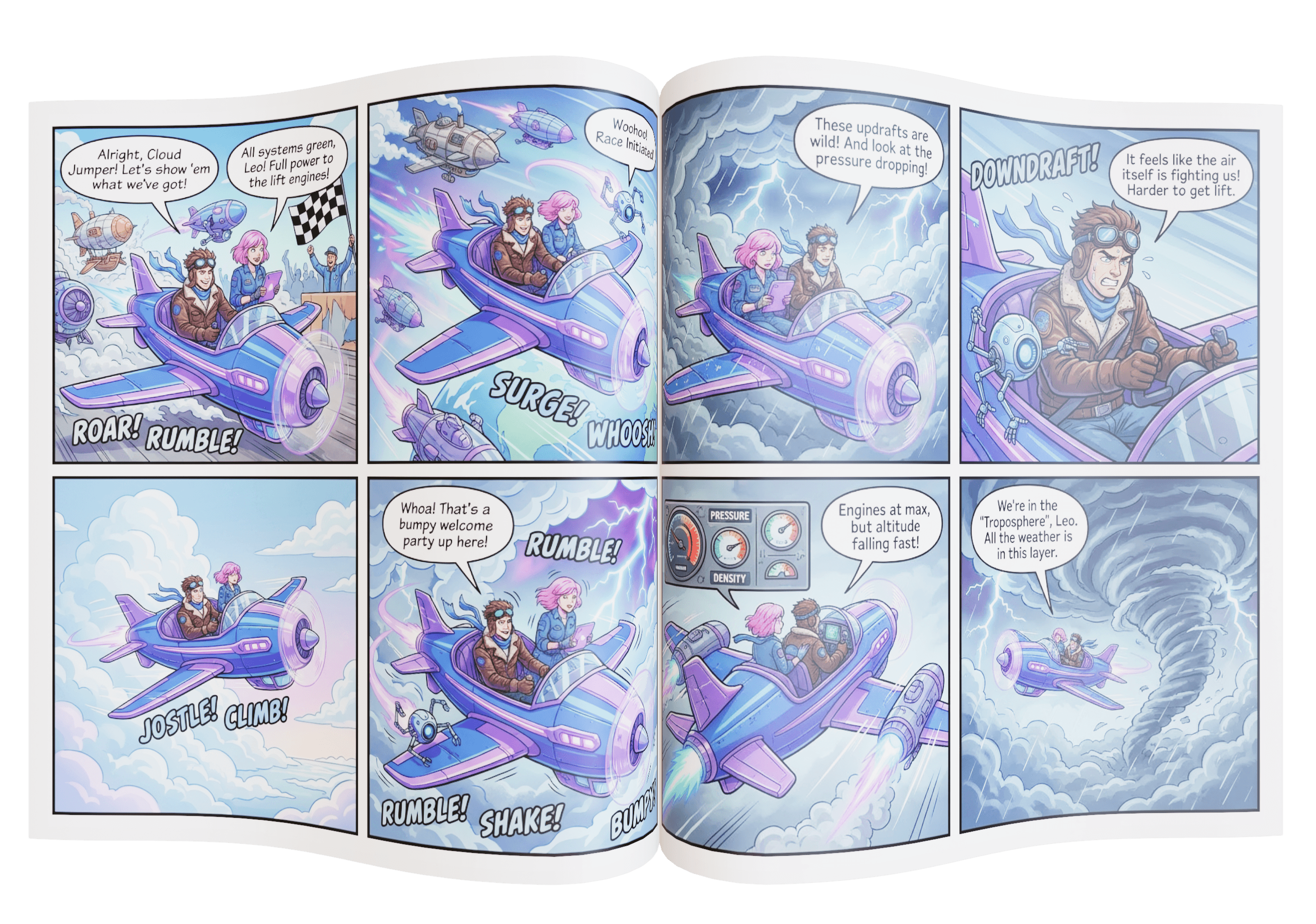
Every lesson enables you to learn in a variety of ways.
These gases, such as carbon dioxide and methane, play a crucial role in regulating Earth's temperature. But what exactly are they, and how do they work? Let's find out.
FAQ

Similar Courses

AI For All
AI is reshaping every field, and this course gives you a clear, honest picture of how it actually works, where it's heading, and what that means for you.

AI for Creators (Without Losing Your Voice)
Learn how to use AI tools to do more creative work, faster, without sounding like every other creator who's using the same tools.

Build Your First App with AI
Learn to build and ship a real app using AI tools, no coding experience required, and walk away with something live that solves an actual problem.

How to Talk to AI (And Actually Get What You Want)
Most people type questions into AI and hope for the best. This course teaches you how to actually communicate with it — so you spend less time reprompting and more time getting work done.