Introduction to HVAC Systems
Learn how HVAC systems actually work — from the physics of comfort to the tools and safety practices that define real fieldwork — and build the foundation every technician needs before stepping on a job site.
About this course
Details
Skills you'll gain with this course
System Identification
Recognize and distinguish between major residential and commercial HVAC system types — split systems, heat pumps, RTUs, chilled water systems, and more — based on their components, configuration, and application.
Psychrometric Reasoning
Read and interpret a psychrometric chart to understand how temperature, humidity, and air properties interact, and explain why those relationships matter for system design and performance.
Diagnostic Tool Use
Operate the six core HVAC diagnostic instruments — including a manifold gauge set, multimeter, manometer, and combustion analyzer — and interpret their readings to assess system health.
Job-Site Safety Compliance
Apply OSHA and EPA safety standards to real HVAC work scenarios, including electrical lockout/tagout procedures, refrigerant handling rules, and safe practices for working at heights and with pressurized systems.
Comfort Systems Fundamentals
Explain how temperature, humidity, ventilation, and filtration work together to achieve indoor comfort, and describe the role each plays in an HVAC system's design.
Syllabus
5 Units • 20 Lessons • 5 Assessments
Ways To Learn Included
Every lesson enables you to learn in a variety of ways.
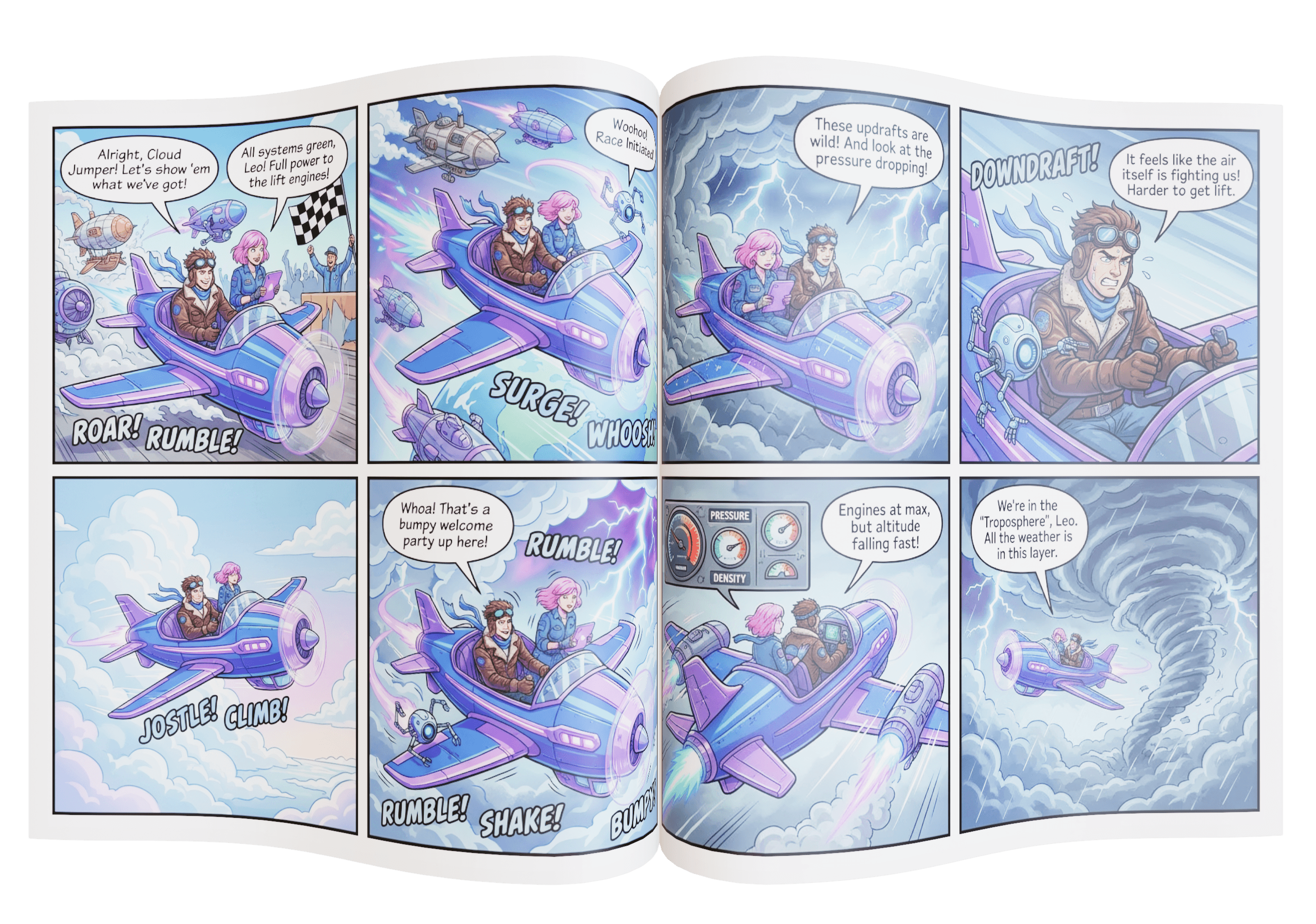
These gases, such as carbon dioxide and methane, play a crucial role in regulating Earth's temperature. But what exactly are they, and how do they work? Let's find out.
FAQ

Similar Courses

AI For All
AI is reshaping every field, and this course gives you a clear, honest picture of how it actually works, where it's heading, and what that means for you.

AI for Creators (Without Losing Your Voice)
Learn how to use AI tools to do more creative work, faster, without sounding like every other creator who's using the same tools.

Build Your First App with AI
Learn to build and ship a real app using AI tools, no coding experience required, and walk away with something live that solves an actual problem.

How to Talk to AI (And Actually Get What You Want)
Most people type questions into AI and hope for the best. This course teaches you how to actually communicate with it — so you spend less time reprompting and more time getting work done.