Wiring Methods, Materials, and Code
Learn how wire is sized, rated, and installed — and how the National Electrical Code governs every decision — so you can plan, verify, and talk through residential and commercial wiring with confidence.
About this course
Details
Skills you'll gain with this course
Conductor Selection and Sizing
Choose the right wire material, gauge, and cable type for a given application based on ampacity, derating conditions, and code-permitted locations.
NEC Navigation
Locate specific code requirements quickly by understanding how the NEC is organized and which articles govern the most common wiring scenarios.
Box Fill Calculation
Calculate the minimum required box volume for any combination of conductors, devices, and fittings to ensure a code-compliant installation.
Residential Load Analysis
Size a service entrance, verify a panel schedule, and identify whether branch circuits meet NEC requirements for kitchens, bathrooms, and dedicated appliances.
Grounding and Bonding Principles
Explain the difference between grounding and bonding, identify where each is required, and verify that a system meets Article 250 requirements.
Syllabus
4 Units • 16 Lessons • 4 Assessments
Ways To Learn Included
Every lesson enables you to learn in a variety of ways.
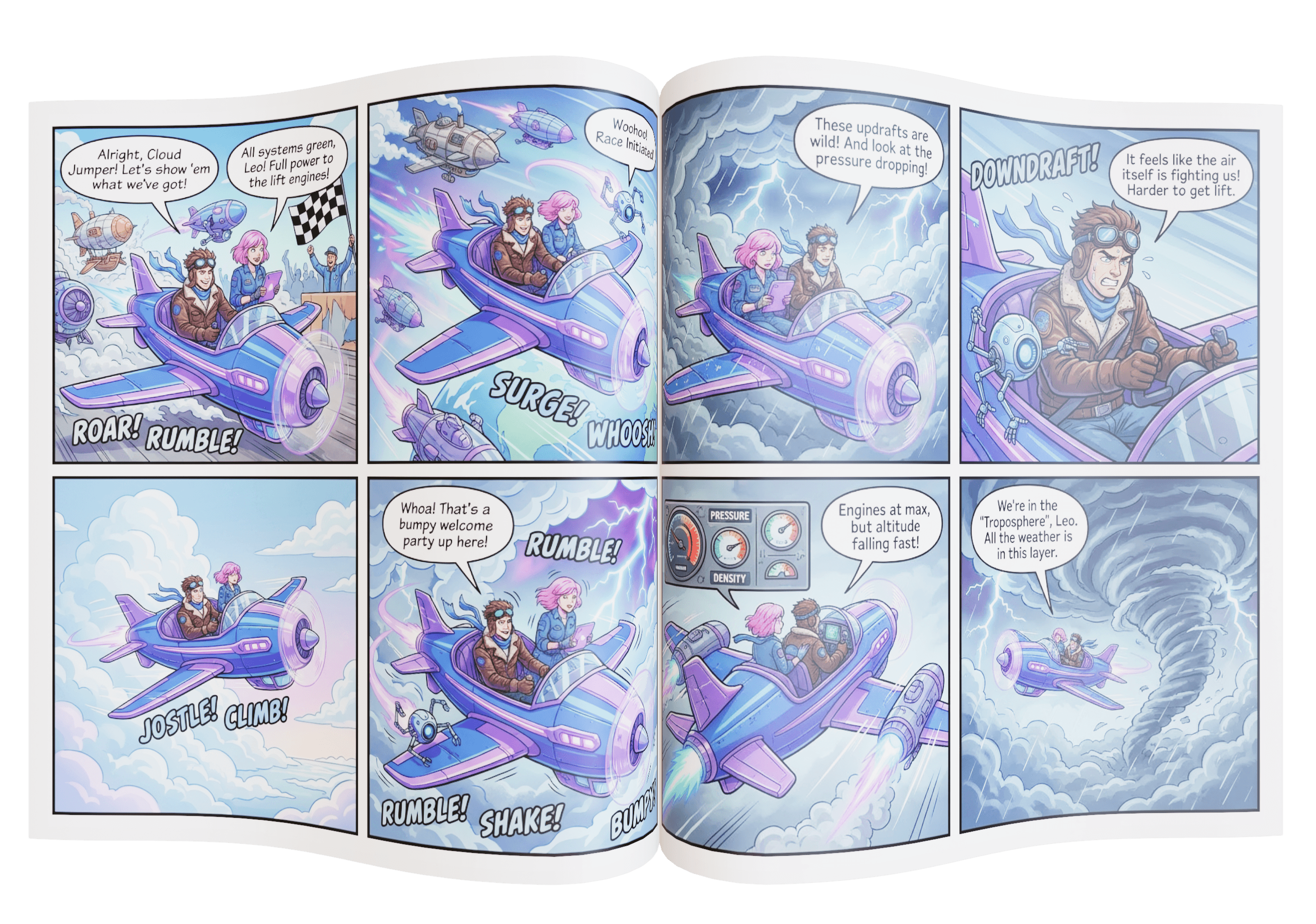
These gases, such as carbon dioxide and methane, play a crucial role in regulating Earth's temperature. But what exactly are they, and how do they work? Let's find out.
FAQ

Similar Courses

AI For All
AI is reshaping every field, and this course gives you a clear, honest picture of how it actually works, where it's heading, and what that means for you.

AI for Creators (Without Losing Your Voice)
Learn how to use AI tools to do more creative work, faster, without sounding like every other creator who's using the same tools.

Build Your First App with AI
Learn to build and ship a real app using AI tools, no coding experience required, and walk away with something live that solves an actual problem.

How to Talk to AI (And Actually Get What You Want)
Most people type questions into AI and hope for the best. This course teaches you how to actually communicate with it — so you spend less time reprompting and more time getting work done.