Ship Structures and Materials
Learn to read a ship the way its designers do — from the loads trying to break it, to the materials and structure holding it together, to the long-term threats that accumulate over decades at sea.
About this course
Details
Skills you'll gain with this course
Structural Load Analysis
Construct shear force and bending moment diagrams for a ship hull and identify how hogging, sagging, and dynamic loads drive primary structural design decisions.
Framing System Evaluation
Compare transverse and longitudinal framing philosophies and explain how the arrangement of structural members affects a hull's resistance to bending and buckling.
Naval Materials Selection
Evaluate structural steels, aluminum alloys, and composites against real-world trade-offs — weldability, fire survivability, magnetic signature, and cost — to justify material choices for different parts of a warship.
Bending Stress Calculation
Calculate section modulus and bending stress for a ship's midship cross-section, distinguishing which structural members contribute effectively to the hull girder.
Long-Term Structural Assessment
Identify how fatigue crack initiation, corrosion mechanisms, and shock loading interact over a ship's service life and recognize the design features that mitigate each threat.
Syllabus
5 Units • 11 Lessons • 5 Assessments
Ways To Learn Included
Every lesson enables you to learn in a variety of ways.
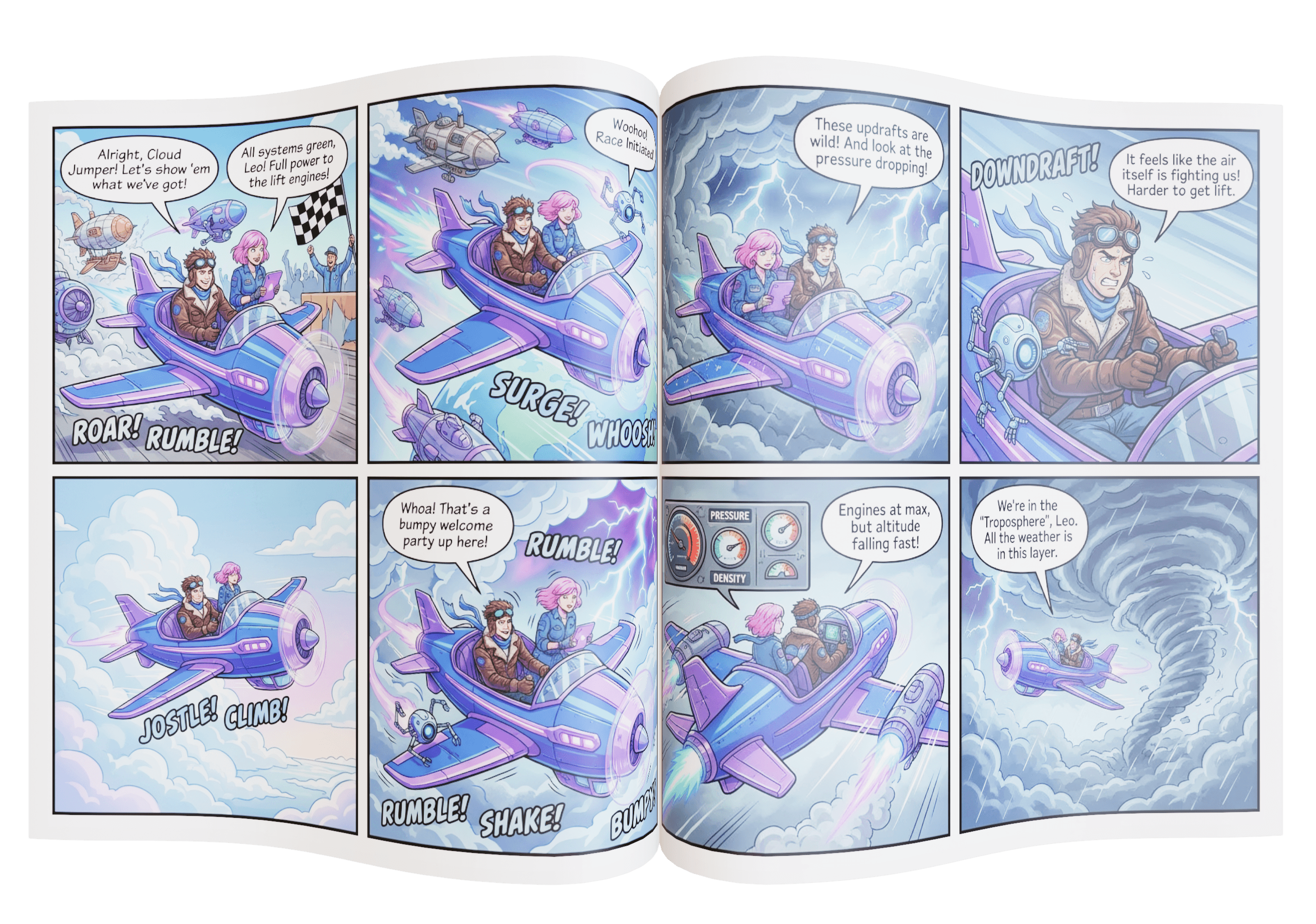
These gases, such as carbon dioxide and methane, play a crucial role in regulating Earth's temperature. But what exactly are they, and how do they work? Let's find out.
FAQ

Similar Courses

AI For All
AI is reshaping every field, and this course gives you a clear, honest picture of how it actually works, where it's heading, and what that means for you.

AI for Creators (Without Losing Your Voice)
Learn how to use AI tools to do more creative work, faster, without sounding like every other creator who's using the same tools.

Build Your First App with AI
Learn to build and ship a real app using AI tools, no coding experience required, and walk away with something live that solves an actual problem.

How to Talk to AI (And Actually Get What You Want)
Most people type questions into AI and hope for the best. This course teaches you how to actually communicate with it — so you spend less time reprompting and more time getting work done.