test6-sean
Back to test6-sean

Basic Measurement 101

Most people eyeball measurements and hope for the best. This course teaches you to read rulers, scales, and graduated cylinders correctly and pick the right unit for the job the first time.

Updated Jun 19, 2026

About this course

Most measurement errors don't come from carelessness. They come from never being taught properly in the first place. There's a difference between knowing that a ruler has millimeters on it and actually reading one to the nearest mark without tilting your head or guessing. This course closes that gap. You'll cover the four quantities that come up constantly in everyday life: length, mass, volume, and temperature. For each one, you'll learn the standard units in both metric and US customary systems, when to use which, and how to convert between common pairs without a chart. Then you'll get into the tools themselves. How to zero a scale before you weigh something. How to read a graduated cylinder at eye level so the meniscus doesn't throw off your reading. How to read a tape measure in fractions of an inch without guessing. This is a short course with a narrow focus, and that's the point. By the end, you'll be able to pick up any basic measuring tool, read it correctly, and know whether the number it gives you is the right unit for what you're doing. That's a practical skill that shows up in cooking, home repair, science class, and a dozen other places most people don't expect.

Details

Last updated Jun 19, 2026
1 Unit, 2 lessons
1 Assessment

Skills you'll gain with this course

Unit Selection

Choose the right unit and measurement system for any common length, mass, volume, or temperature situation.

Unit Conversion

Convert between metric and US customary units for the four core quantities without needing to look up formulas.

Ruler and Tape Measure Reading

Read length measurements to the nearest millimeter or 1/16 inch on a standard ruler or tape measure.

Scale and Cylinder Use

Take accurate readings from a kitchen or lab scale and a graduated cylinder, including proper zeroing and meniscus technique.

Precision vs. Accuracy

Explain what makes a measurement precise versus accurate and recognize the difference in a real example.

Syllabus

1 Unit • 2 Lessons • 1 Assessment

Ways To Learn Included

Every lesson enables you to learn in a variety of ways.

3 min read
587 words

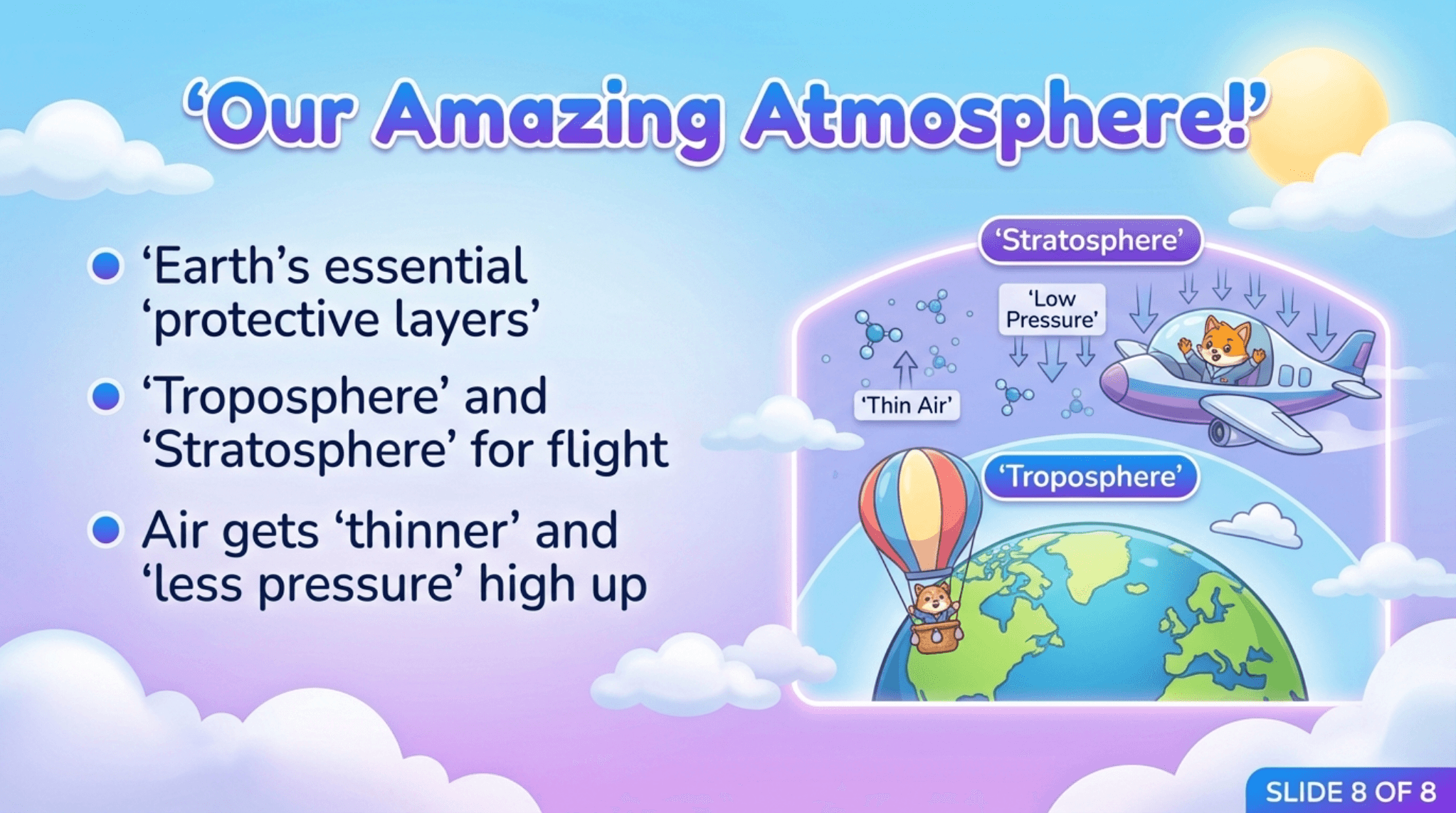
These gases, such as carbon dioxide and methane, play a crucial role in regulating Earth's temperature. But what exactly are they, and how do they work? Let's find out.
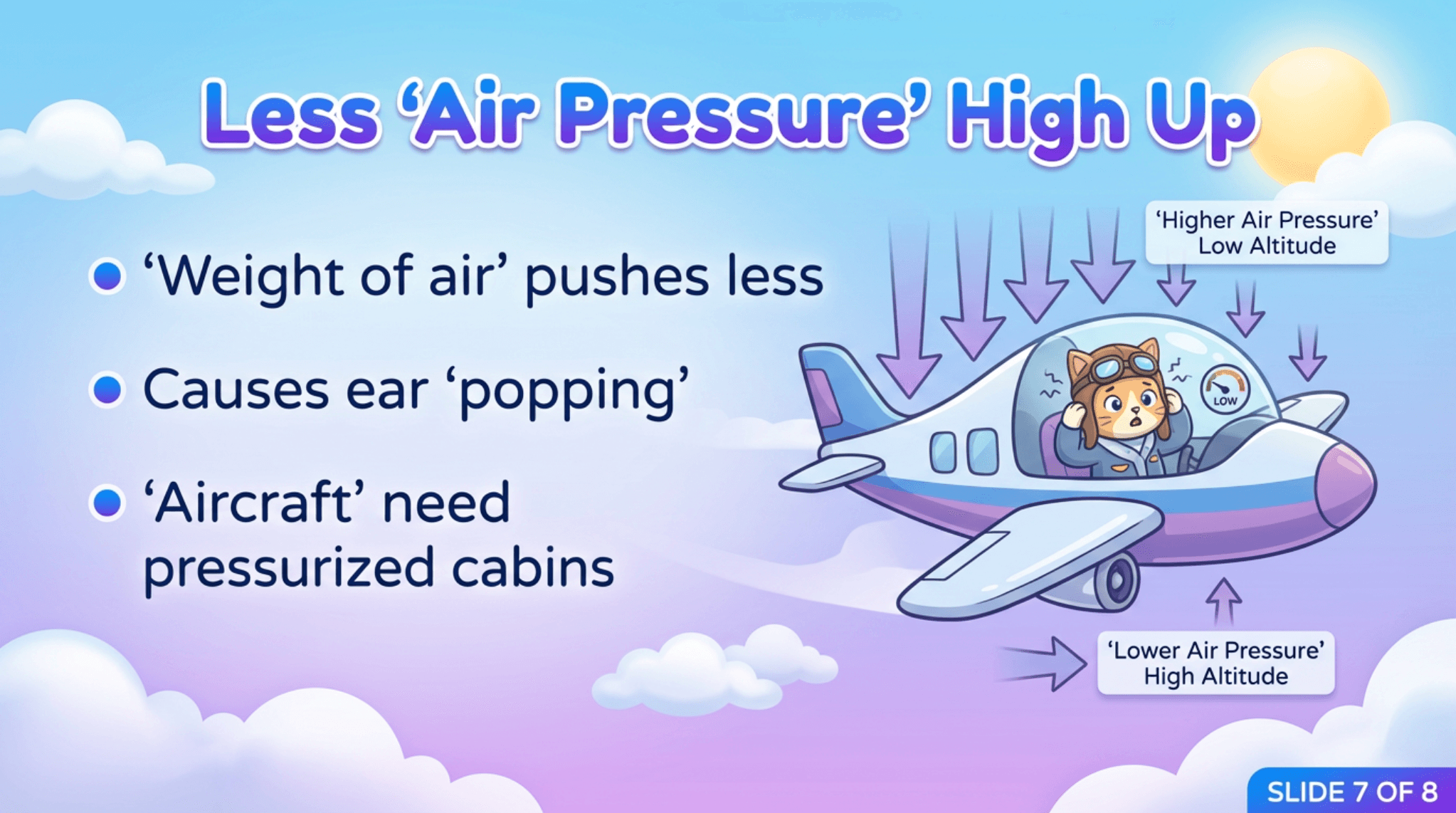
Read
Carbon Dioxide
Flashcards
Quiz
What is the primary greenhouse gas responsible for trapping heat?
Carbon Dioxide
Locked In
Great job! That's the correct answer.
Quiz
The earth's atmosphere is composed
Lecture
Listen: Greenhouse gases explained
Podcast
Chat
0:05
Jam
Arcade
Video
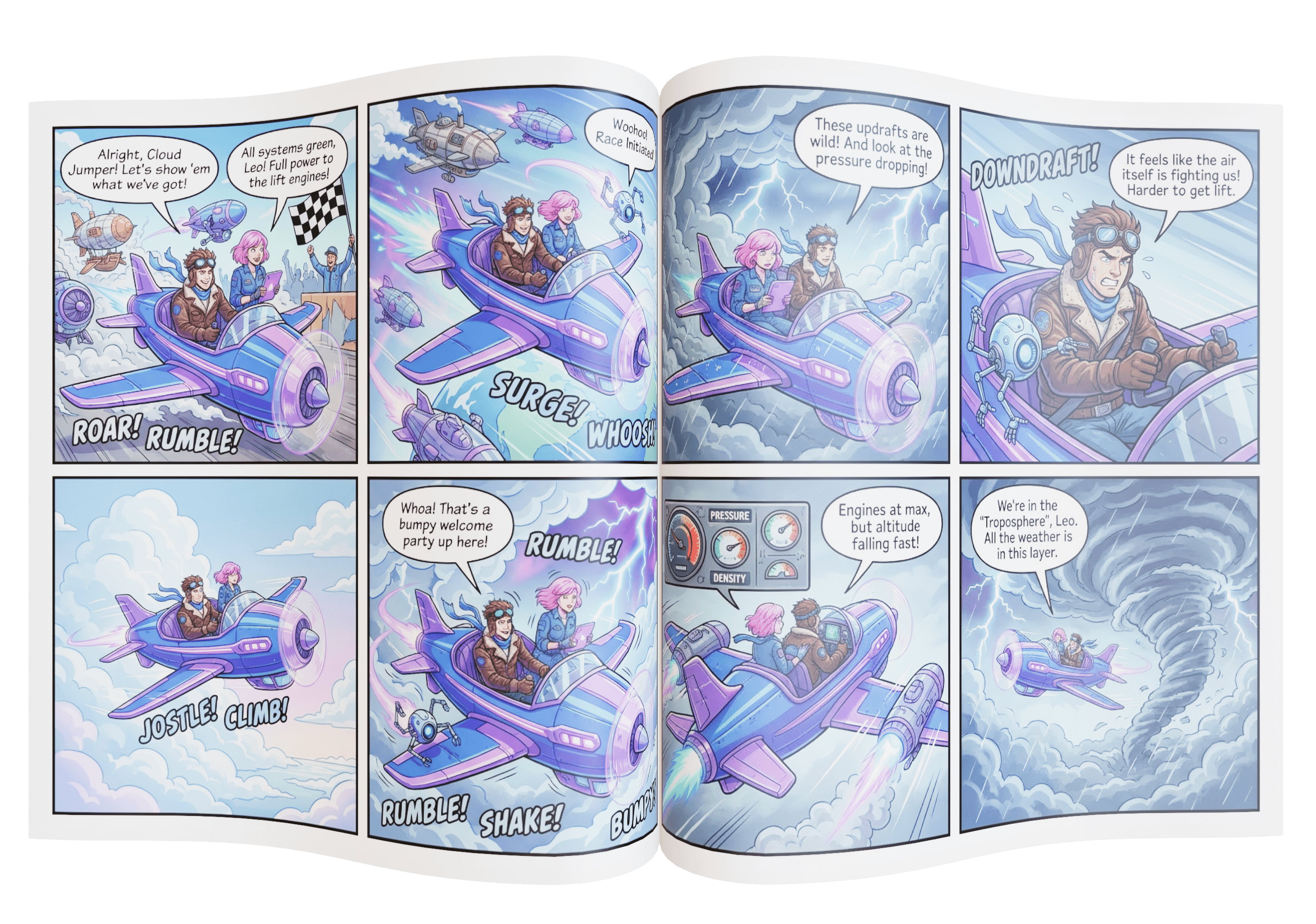
Comic

FAQ

Course thumbnail