dxfbghjkbdfgs
Back to dxfbghjkbdfgs

Anatomy for PA Students: Back, Thorax & Abdomen

A focused anatomy course covering the back, thorax, and abdomen — built around what PA students actually need for clinical exams, procedures, and acute presentations.

Updated Jun 19, 2026

About this course

Most anatomy courses teach you what everything is named. This one teaches you why the anatomy matters when you're standing in front of a patient. The difference shows up on day one of clinical rotations, when you need to know not just that the intercostal neurovascular bundle exists, but where it sits relative to the rib and why that changes how you place a needle. That kind of applied understanding is what this course is built around. The course moves through three regions in a deliberate sequence. The back and spine unit starts with bony landmarks you can feel on physical exam, then connects them to dermatomes, myotomes, and reflexes so the neurologic exam stops feeling like memorization and starts making anatomic sense. The thorax unit covers the structures behind every cardiopulmonary exam finding, maps heart valves to their auscultation sites, and ties coronary artery territories to EKG lead groups. The abdomen unit works through the layered wall, the inguinal canal, and the peritoneal cavity, finishing with the referred pain patterns that drive acute abdomen workups. Each lesson is built around clinical use, not encyclopedic coverage. You will leave knowing why visceral pain from an appendix starts periumbilical before moving to the right lower quadrant, how to find a safe site for thoracentesis, and which anatomic relationship separates a direct hernia from an indirect one. These are the details that make physical exam findings click and clinical reasoning faster.

Details

Last updated Jun 19, 2026
3 Units, 6 lessons
1 Project
3 Assessments

Skills you'll gain with this course

Vertebral Level Identification

Use surface landmarks to count vertebral levels accurately during physical exam and neurologic assessment.

Neuro Exam Mapping

Correlate dermato mes, myotomes, and deep tendon reflexes to specific spinal cord segments when working up a neurologic complaint.

Procedural Anatomy

Identify safe anatomic sites and the structural reasoning behind thoracentesis, chest tube placement, needle decompression, and lumbar puncture.

Cardiac and Coronary Anatomy

Map heart valves to their auscultation landmarks and connect coronary artery territories to their corresponding EKG lead groups.

Acute Abdomen Reasoning

Use referred pain patterns, peritoneal classification, and gut blood supply to narrow a differential when a patient presents with abdominal pain.

Syllabus

3 Units • 6 Lessons • 1 Project • 3 Assessments

Ways To Learn Included

Every lesson enables you to learn in a variety of ways.

3 min read
587 words

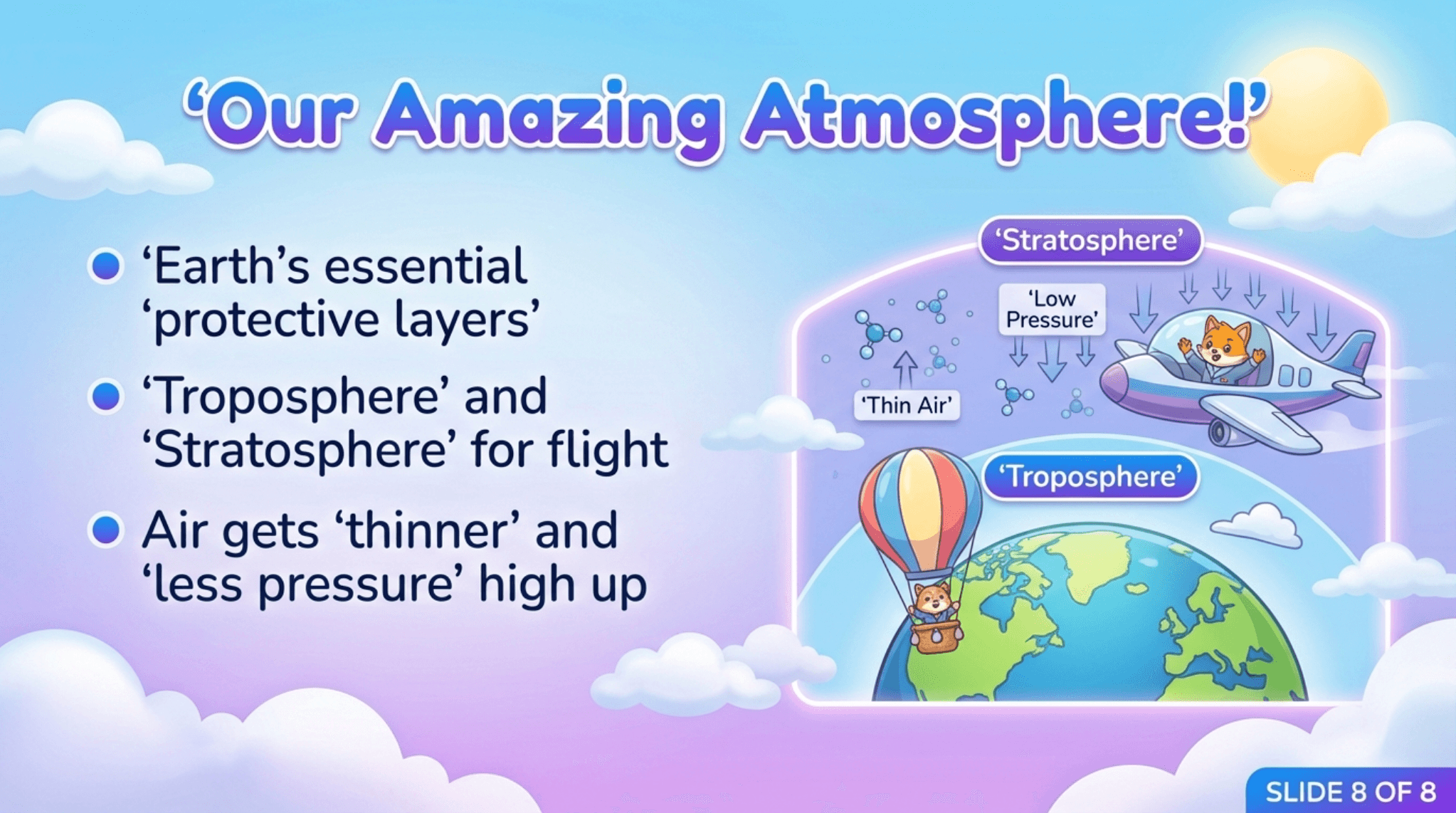
These gases, such as carbon dioxide and methane, play a crucial role in regulating Earth's temperature. But what exactly are they, and how do they work? Let's find out.
Read
Carbon Dioxide
Flashcards
Quiz
What is the primary greenhouse gas responsible for trapping heat?
Carbon Dioxide
Locked In
Great job! That's the correct answer.
Quiz
The earth's atmosphere is composed
Lecture
Listen: Greenhouse gases explained
Podcast
Chat
0:05
Jam
Arcade
Explainer
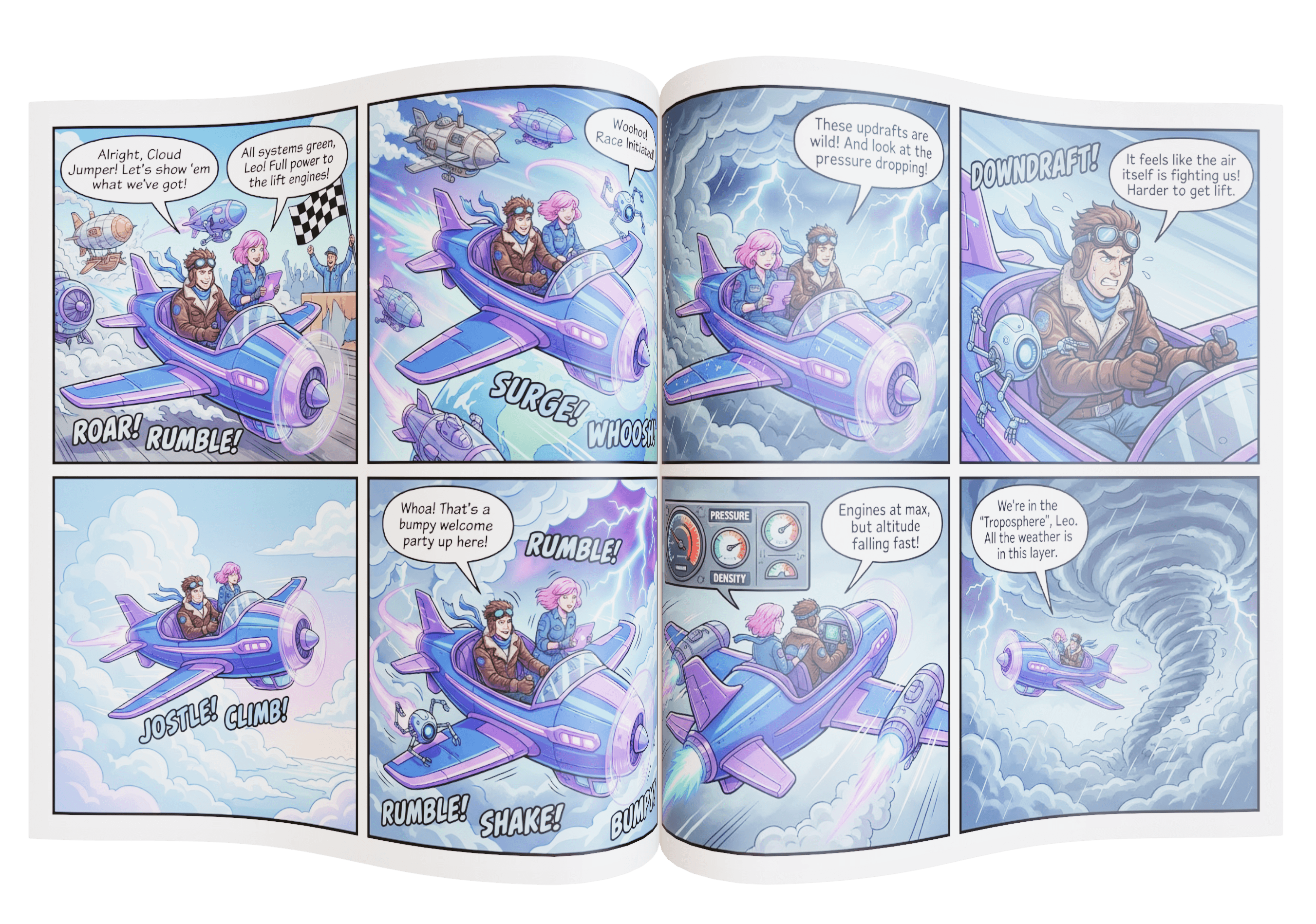
Comic

FAQ

Course thumbnail