dxfbghjkbdfgs
Back to dxfbghjkbdfgs

Ancient History: A Beginner's Tour Across Three Worlds

A tour through the ancient world, from the first cities in Mesopotamia to the fall of Rome, covering the people, ideas, and events that shaped everything that came after.

Updated Jun 19, 2026

About this course

Most people know a handful of ancient history facts: pyramids, Julius Caesar, Greek gods. What they rarely get is the thread connecting all of it. Why did cities appear first in river valleys? How did one small Greek polis invent a system of government the world is still arguing about? What kept Rome together for a thousand years, and what finally broke it? This course answers those questions in order, so each piece builds on the last. You will move through three worlds in sequence: Mesopotamia and Egypt, where human civilization first took shape; Greece, where democracy and philosophy emerged from a fragmented collection of city-states; and Rome, which absorbed both legacies and built something that defined the Western world for centuries after its collapse. Each unit focuses on what made the civilization distinctive, not just what happened, but why it mattered and what changed because of it. No prior knowledge of history is needed. The course is designed for anyone who wants to understand where the modern world came from and why, taught through clear explanations, specific examples, and honest assessments of what we know and what historians still debate.

Details

Last updated Jun 19, 2026
3 Units, 6 lessons
3 Projects
3 Assessments

Skills you'll gain with this course

Historical Reasoning

Students can explain why civilizations rose and fell by connecting geography, politics, and culture rather than treating events as isolated facts.

Comparative Thinking

Students can compare how different ancient societies solved the same problems, such as governance, religion, and social order, and identify what those choices produced.

Source Awareness

Students can distinguish between what ancient sources tell us and what modern historians have concluded, recognizing where evidence ends and interpretation begins.

Reading Context

Students can place a name, date, or event, such as Alexander's conquests or the Pax Romana, into its broader story and explain its significance without oversimplifying.

Syllabus

3 Units • 6 Lessons • 3 Projects • 3 Assessments

Ways To Learn Included

Every lesson enables you to learn in a variety of ways.

3 min read
587 words

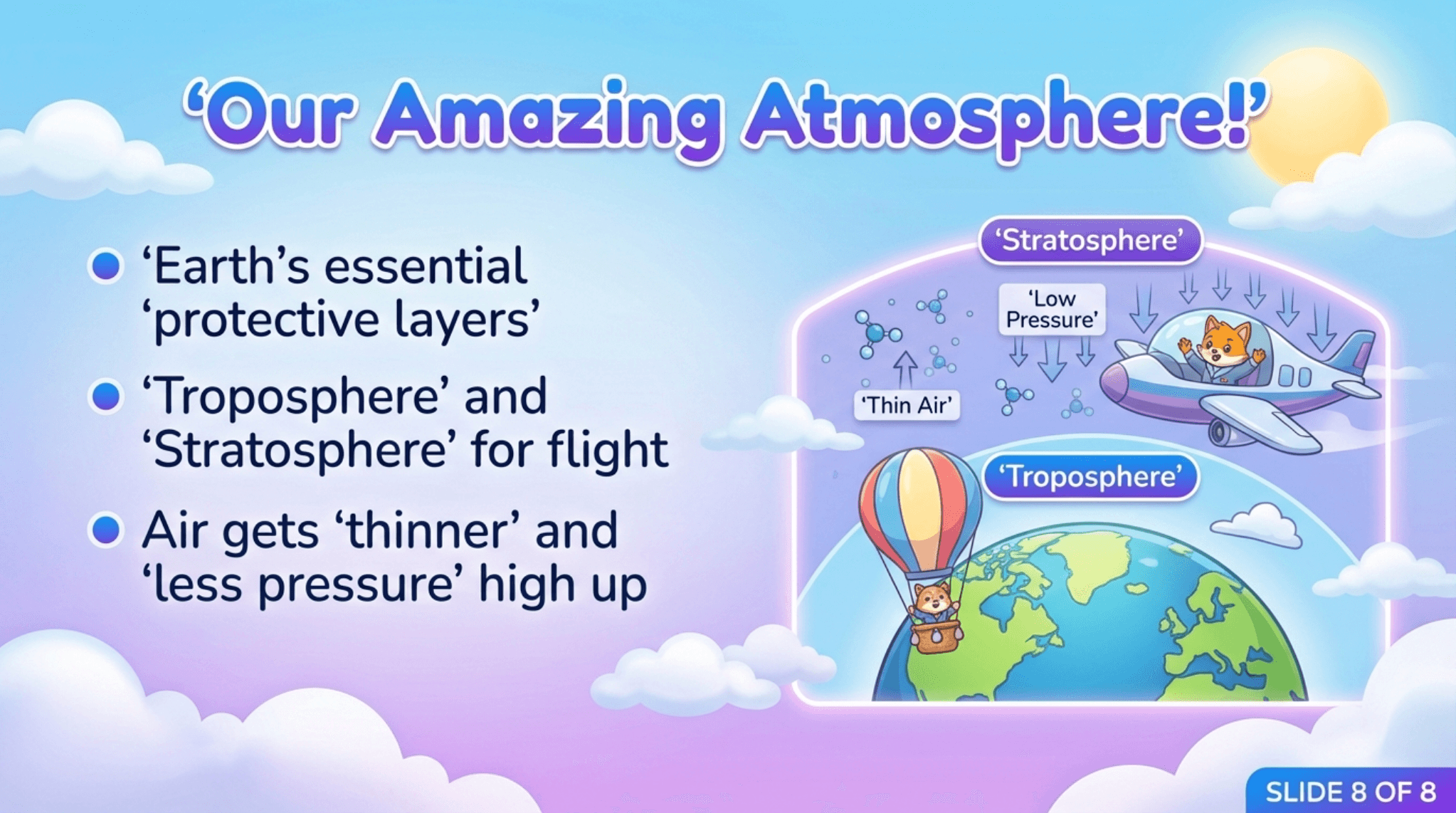
These gases, such as carbon dioxide and methane, play a crucial role in regulating Earth's temperature. But what exactly are they, and how do they work? Let's find out.
Read
Carbon Dioxide
Flashcards
Quiz
What is the primary greenhouse gas responsible for trapping heat?
Carbon Dioxide
Locked In
Great job! That's the correct answer.
Quiz
The earth's atmosphere is composed
Lecture
Listen: Greenhouse gases explained
Podcast
Chat
0:05
Jam
Arcade
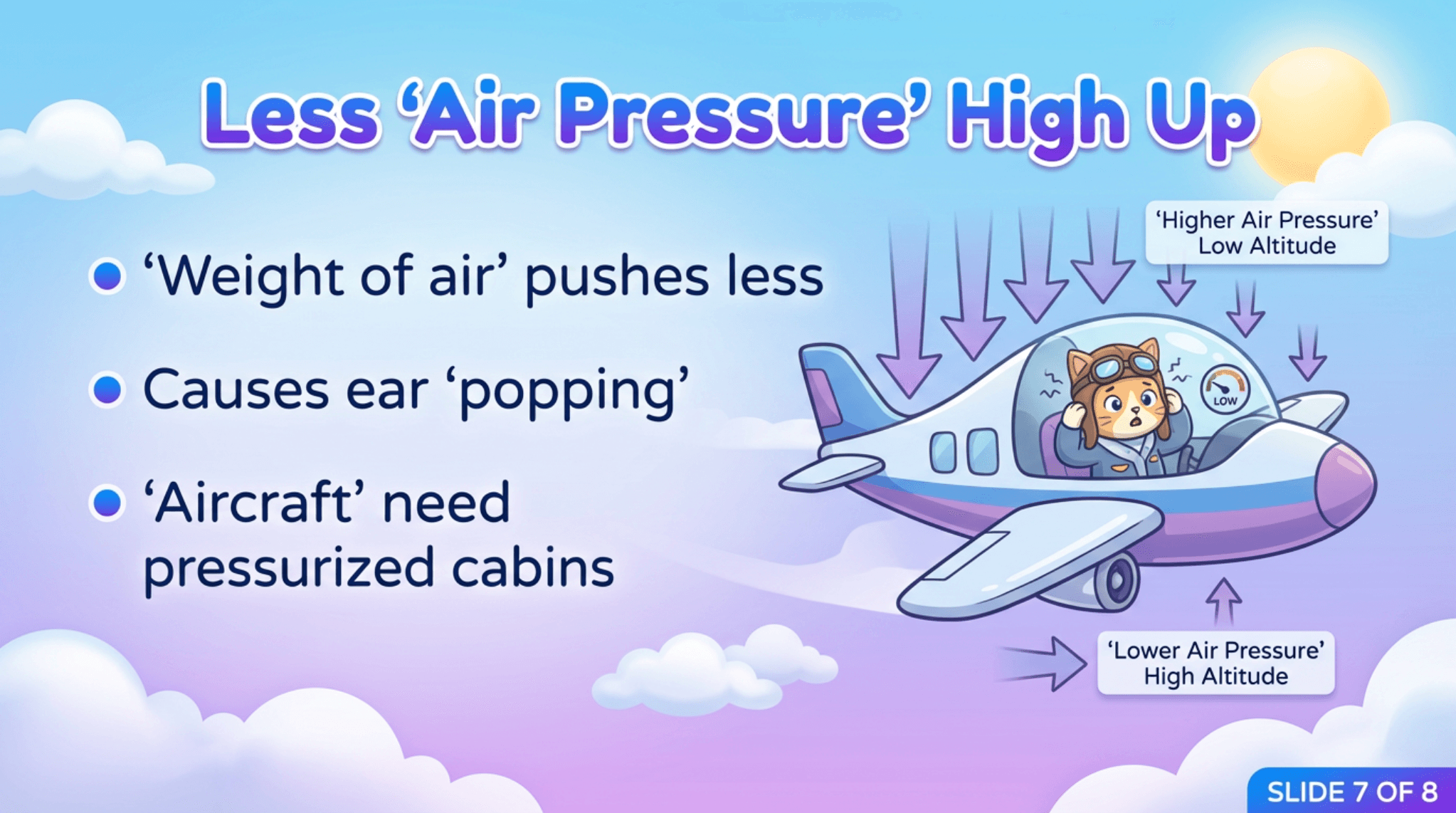
Explainer
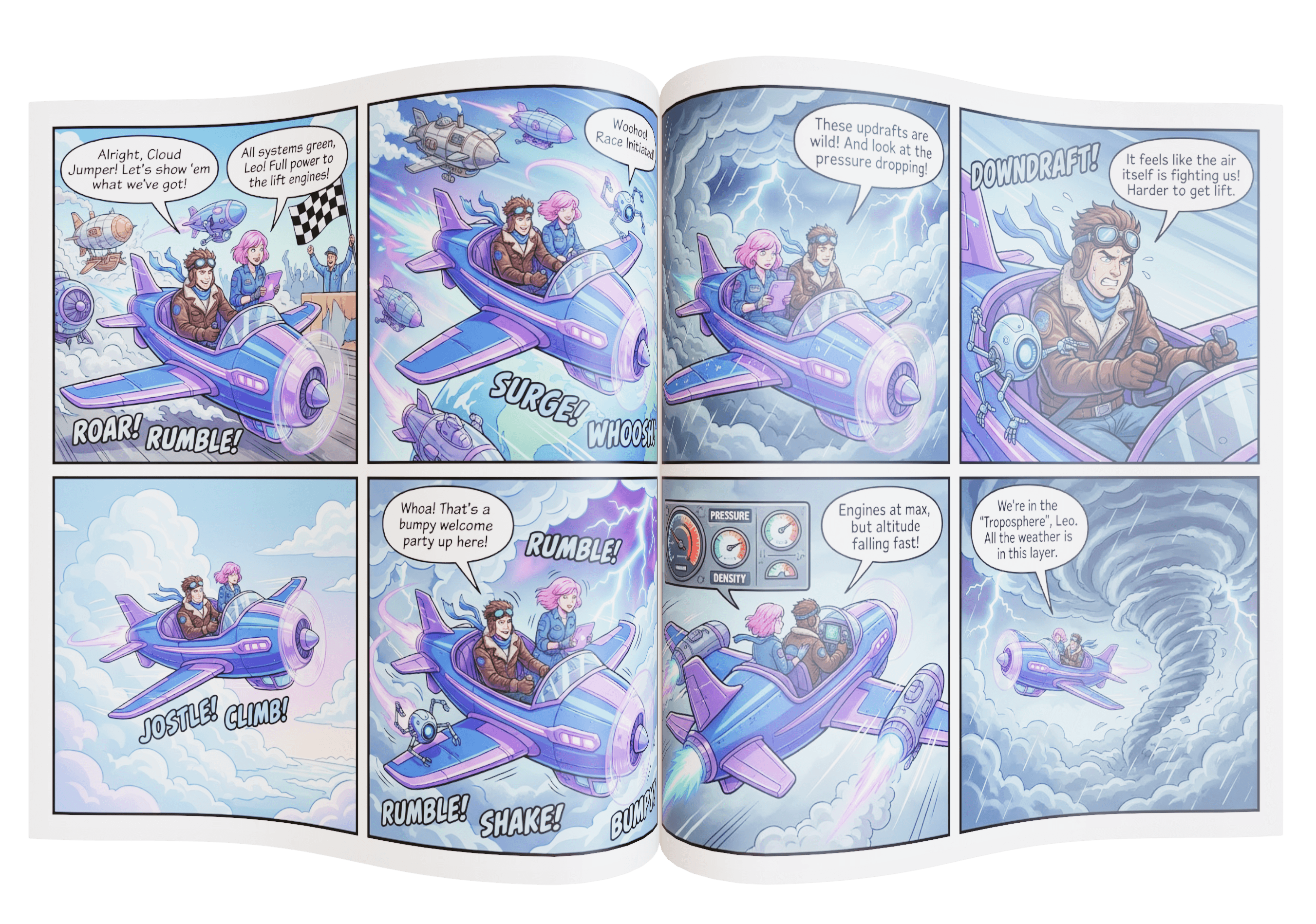
Comic

FAQ

Course thumbnail